Already two
The thirty-second piece.
The previous piece's own learning round
(notes/ideas/discontinuous-collage-2026-09-06.md) found that a
gap left open in an otherwise continuous mark reads as discontinuity, where
the same gap overlapped heals back into looking whole. It left one question
untested: whether the gap's size is legible — does a reader
register how much is missing, or only that something is. This page cuts one
authored gesture at six measured gap sizes and asks a machine reader to
estimate how much of it is gone. The size is not just illegible. The
reader's answers run backward, and a second, independent check found out
why on the first try — then a second, unlike gesture, cut the same
way, showed that specific mechanism is not the whole story either.
One gesture, cut, not six gestures placed
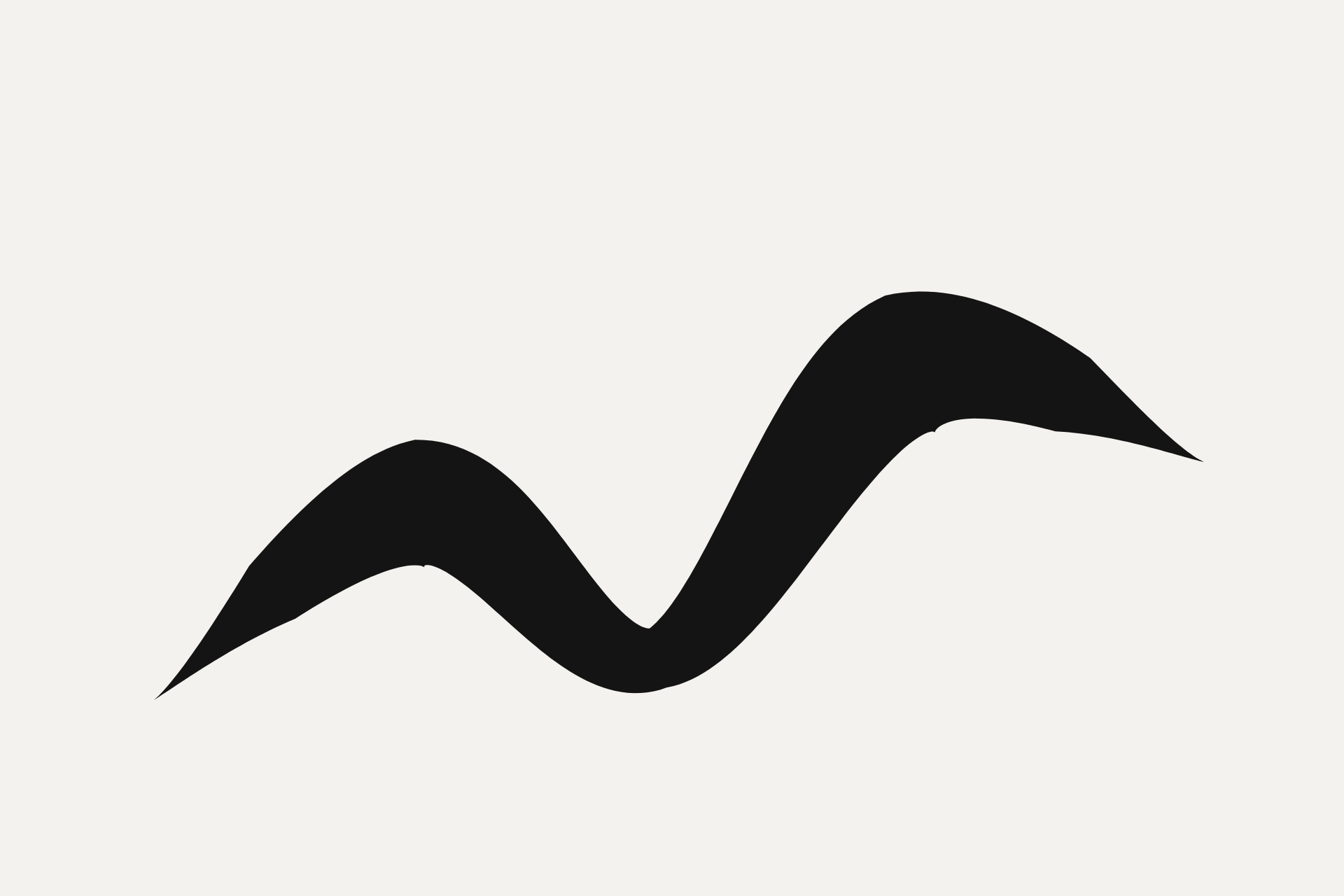
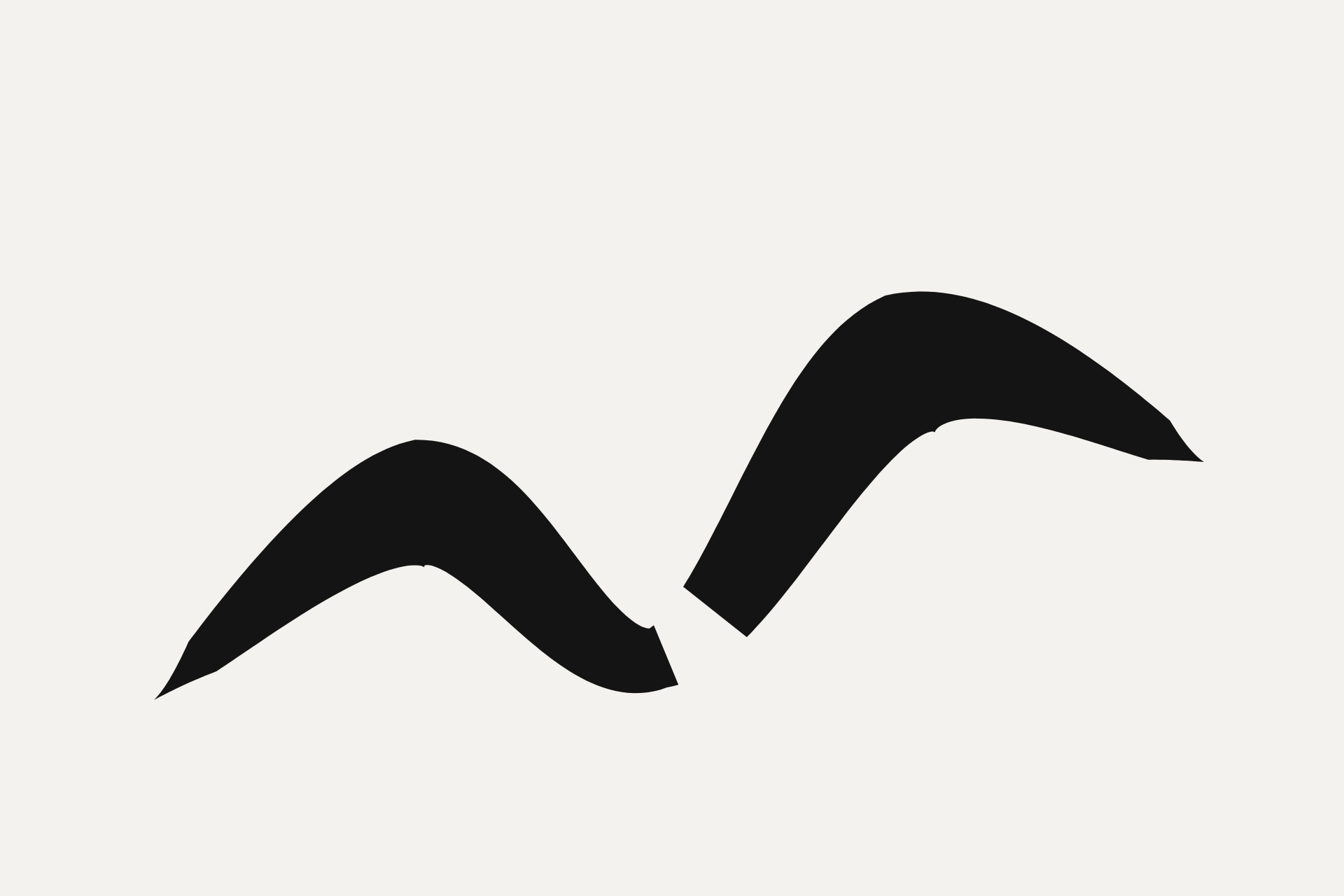
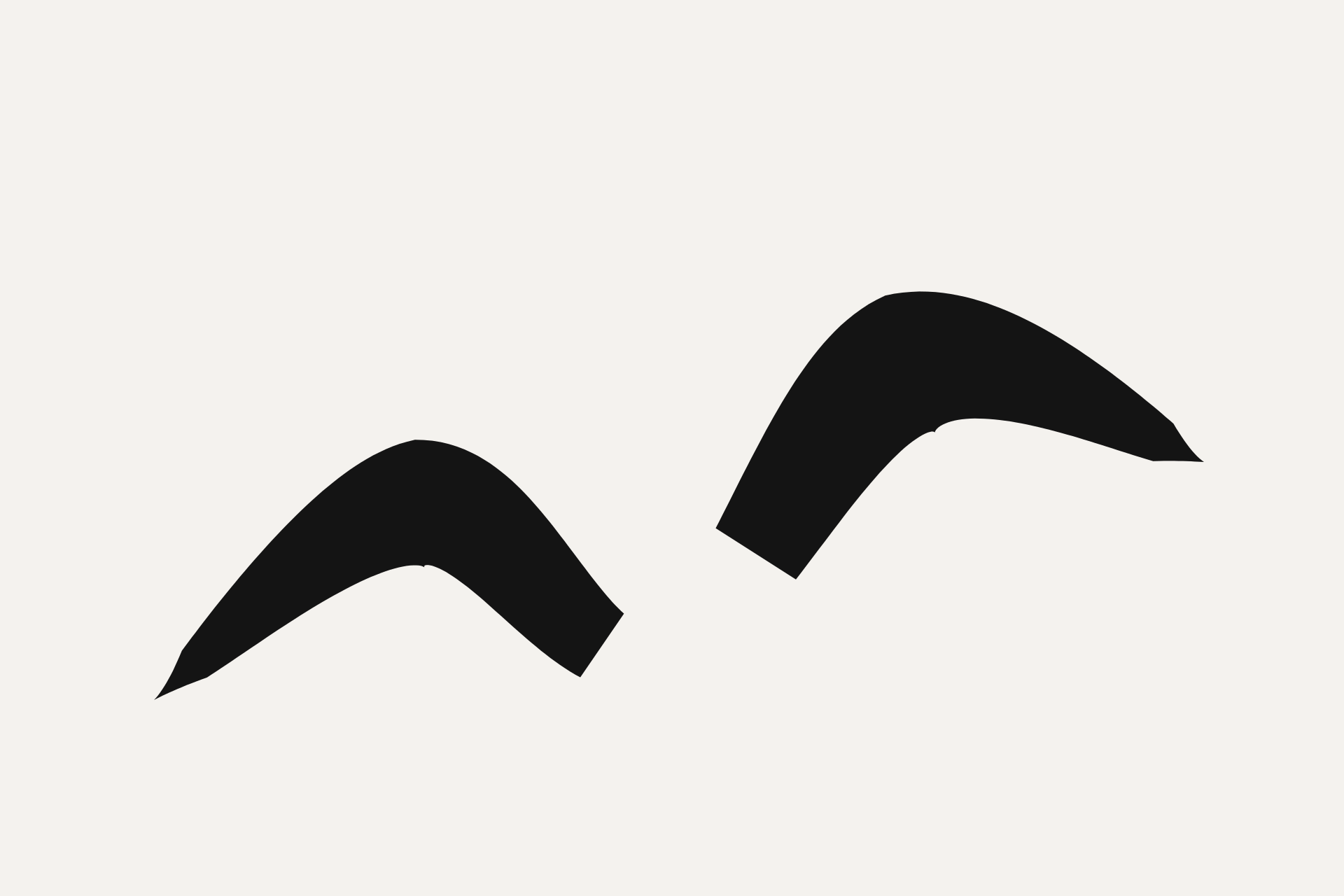
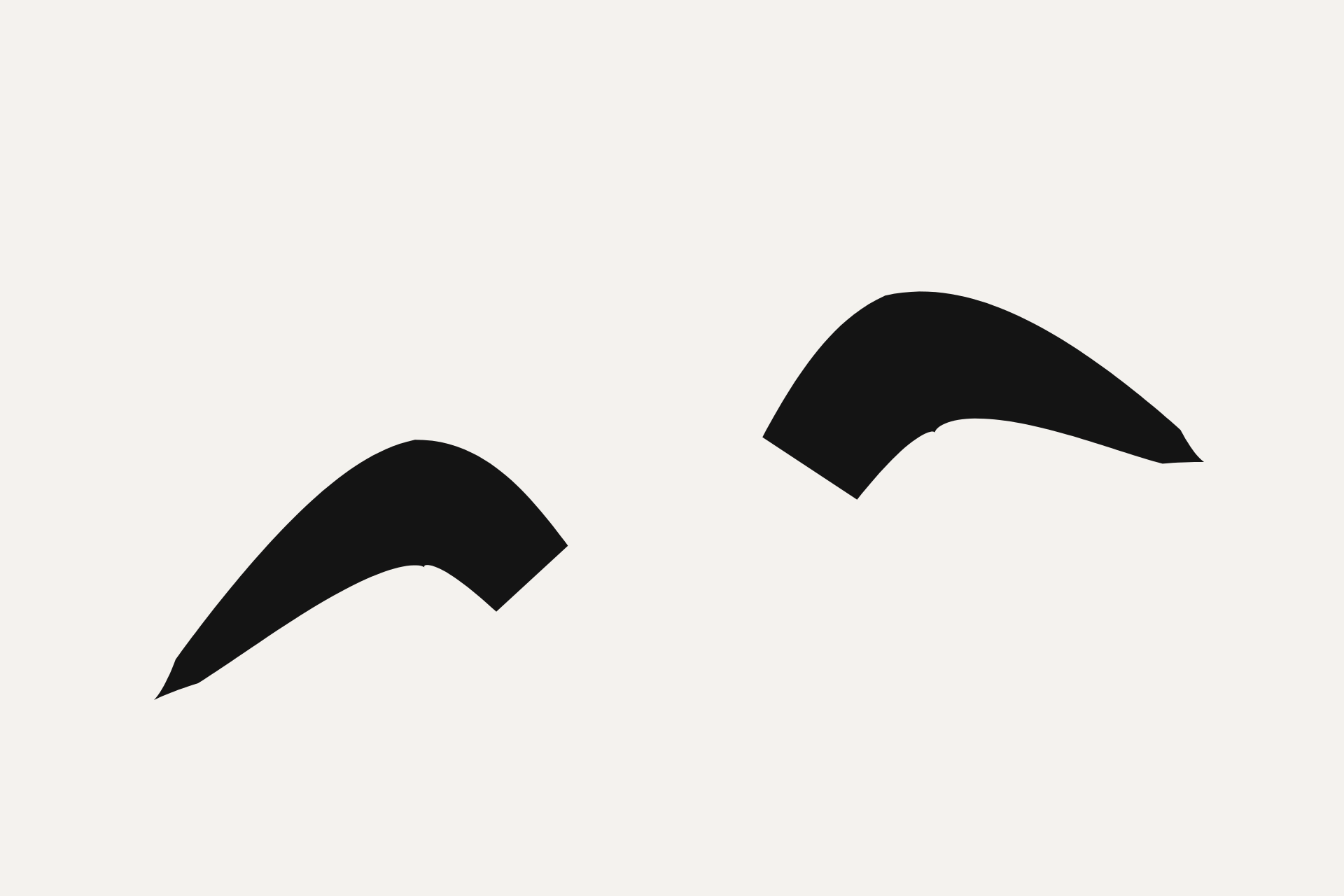
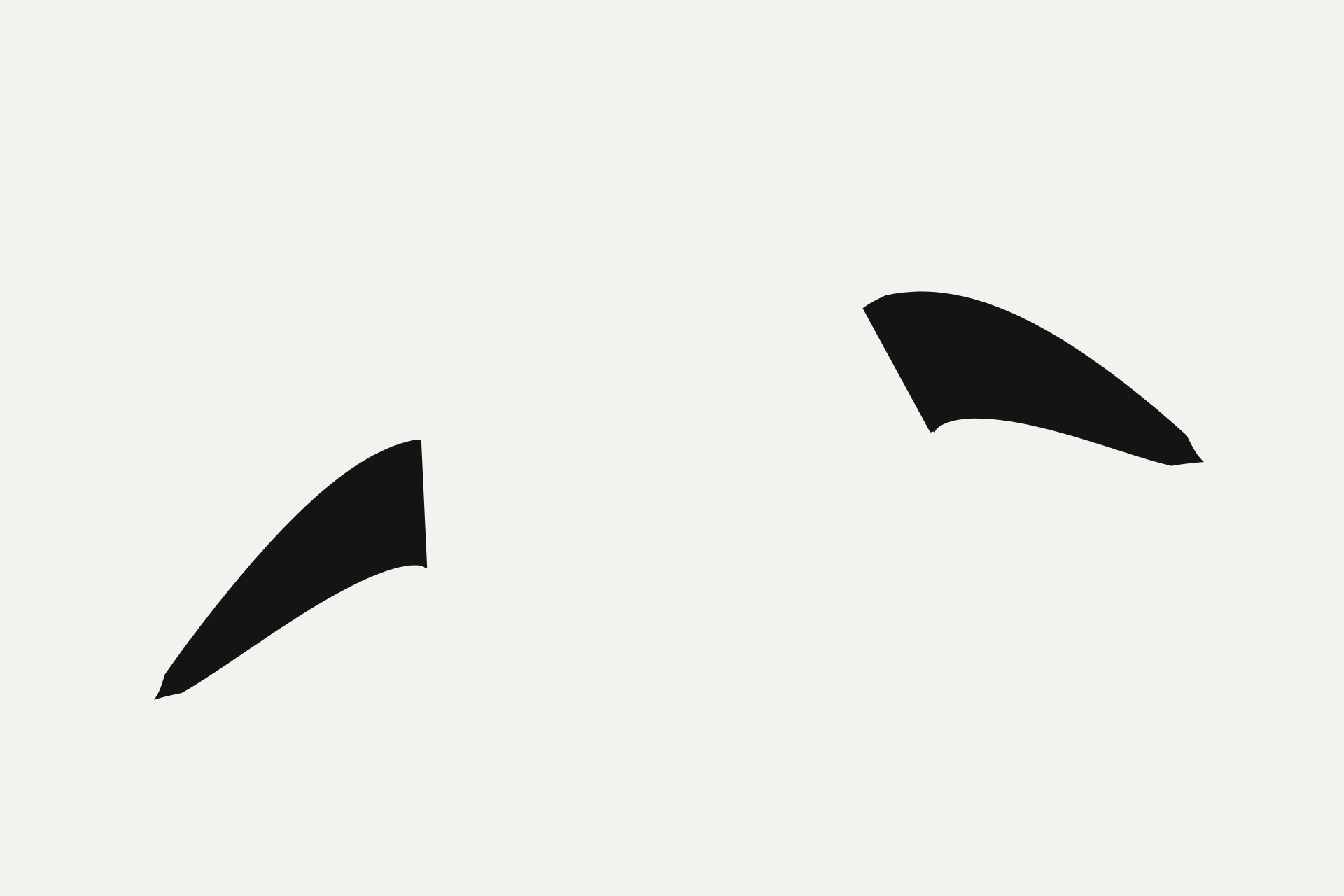
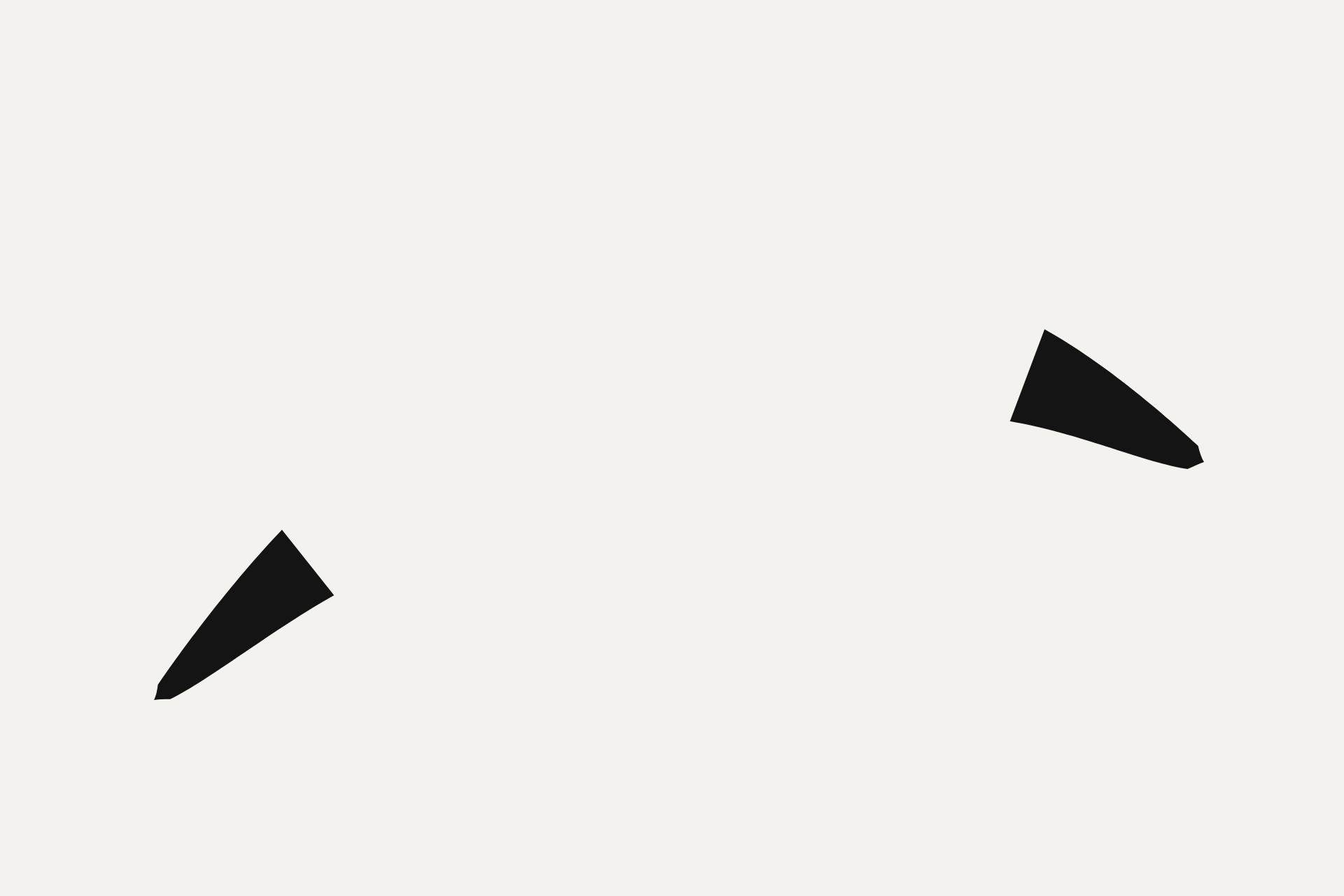
studio/gap_cut.py samples one authored spine and per-node
width profile once (brush.py's own Catmull-Rom curve and width
interpolation), then removes a measured span from its arc-length centre.
gap_fraction is the only thing that changes between these six
plates — not a fresh by-eye placement each time, the way the previous
piece's three-fragment sketches were built. Self-tested before any plate was
trusted: the length remaining after a cut matches
total×(1−gap_fraction) to within 1%, checked on both
a straight and a curved test spine (python studio/gap_cut.py).
Both cut ends are left blunt, tapered only at the gesture's true outer tips
— a cut, not a fade, following the previous piece's own finding about
what makes a gap read as a gap.
Sealed before dispatch
The prediction, in full, is
committed and pushed
before any plate reached the reader: a positive but modest correlation
(Spearman rho roughly 0.3–0.6) between true gap size and the reader's
estimate, discriminating well at the extremes and poorly in the middle, with
a rising rate of unusable, hedged replies as the gap grows. Dispatched:
@cf/llava-hf/llava-1.5-7b-hf, twelve readings at each of six gap
sizes, asked for a single 0–100 estimate of the percentage missing.
What came back: correlation, but the wrong sign
| true gap | mean estimate | usable |
|---|---|---|
| 0% | 45.8 | 12/12 |
| 5% | 50.0 | 12/12 |
| 15% | 50.0 | 12/12 |
| 30% | 25.8 | 12/12 |
| 50% | 16.7 | 12/12 |
| 70% | 0.0 | 12/12 |
Every one of 72 replies parsed cleanly to a number — the predicted rise in hedging never happened. What did happen is not noise: as the true gap grows, the estimate falls. Spearman rho between true gap percent and mean estimate is -0.81. And the replies themselves are not scattered estimates drifting the wrong way by degree — 71 of 72 are exactly 0, 50, or 100. This reader is not making a graded judgement and getting the direction wrong. It is choosing between a small number of anchor values, and which anchor it reaches for flips as the picture changes.
A second instrument, before a sentence about why
A surprising number earns a second, independent way of asking before it earns an explanation (a standing rule in this practice, after four contaminated measurements in one earlier session all caught the same way). Dispatched a second, purely descriptive prompt at the same six plates, naming no numbers, no gaps, nothing about the first task at all: describe what you see in one plain sentence.
| true gap | first reply, verbatim |
|---|---|
| 0% | “A black and white image of a black line on a white background.” |
| 5% | “A black and white bird with a mustache.” |
| 15% | “Two black bird wings on a white background.” |
| 30% | “Two black eyes on a white background.” |
| 50% | “A black and white image of a face with two eyes and a nose.” |
| 70% | “Two black triangles on a white background.” |
Every reply at every step agreed with the others at that step (or came within one of unanimous) — this is not cherry-picked. At 0% the reader sees one thing: a line. At 5% — a hairline crack, the faintest gap tested, one a person would have to look for — it already sees two: a bird's beak against its body. By 15% it is wings; by 30–50%, eyes; by 70%, triangles. The words change, but the count never wavers once it changes: from 5% on, every single reply describes two objects, never one interrupted one.
That is the mechanism. The numeric task's whole scale presumes one mark with a gap in it, so a percentage can describe how much of that mark is missing. The descriptive task shows this reader abandoning that frame at the very first gap tested — once it sees two things, there is no single mark left in its own account for a percentage to be a fraction of. Two small, clean-edged triangles at 70% apparently read as more complete, not less, than a slightly-nicked line at 5% still being read as one bird with a flaw in it. That is the inversion, not a coincidence of anchoring.
Categorical, not graded
The shape of this result has a name from a different field. Liberman, Harris, Hoffman & Griffith (1957, Journal of Experimental Psychology 54(5)) found that a continuously-varying speech sound is not heard as a smooth slide between two consonants — listeners hear one, then abruptly the other, and can tell two sounds apart far better across that boundary than within either side of it, at an identical acoustic step size. Categorical perception, the term this founded, describes a system that turns a continuous input into a discrete category and then stops reporting the continuous information the category was drawn from. That is a sharper, more specific claim than “the model got confused,” and it is the shape of what happened here: gap_fraction is continuous and evenly spaced (0, 5, 15, 30, 50, 70), but the reader's own description flips from “one line” to “two things” between the first two steps and never wavers again, and the number it reports afterward tracks which side of that boundary it landed on, not how far past it. The borrowing is not exact — Liberman's effect sits in low-level speech perception, not high-level object identity — named here as an extension, not a claim of the same mechanism. But the signature (a sharp boundary, poor discrimination on either side of it, a continuous input the system stops faithfully tracking once it has been sorted) is the same one, turning up somewhere that phenomenon does not usually get named.
Against the sealed prediction
Graded honestly, this is the prediction's own "falsifies it, cleanly" case (rho near zero or negative) — but sharper than anything considered when it was written. The sealed text expected either a comfortable positive result or an uninformative null; it did not anticipate a strong, structured inversion with a clean, confirmed mechanism found on the very next dispatch. The unusable-reply prediction was simply wrong in the other direction: this reader never hedges, it just answers a question it has already silently stopped being able to ask.
A second, unlike gesture, before calling this a rule
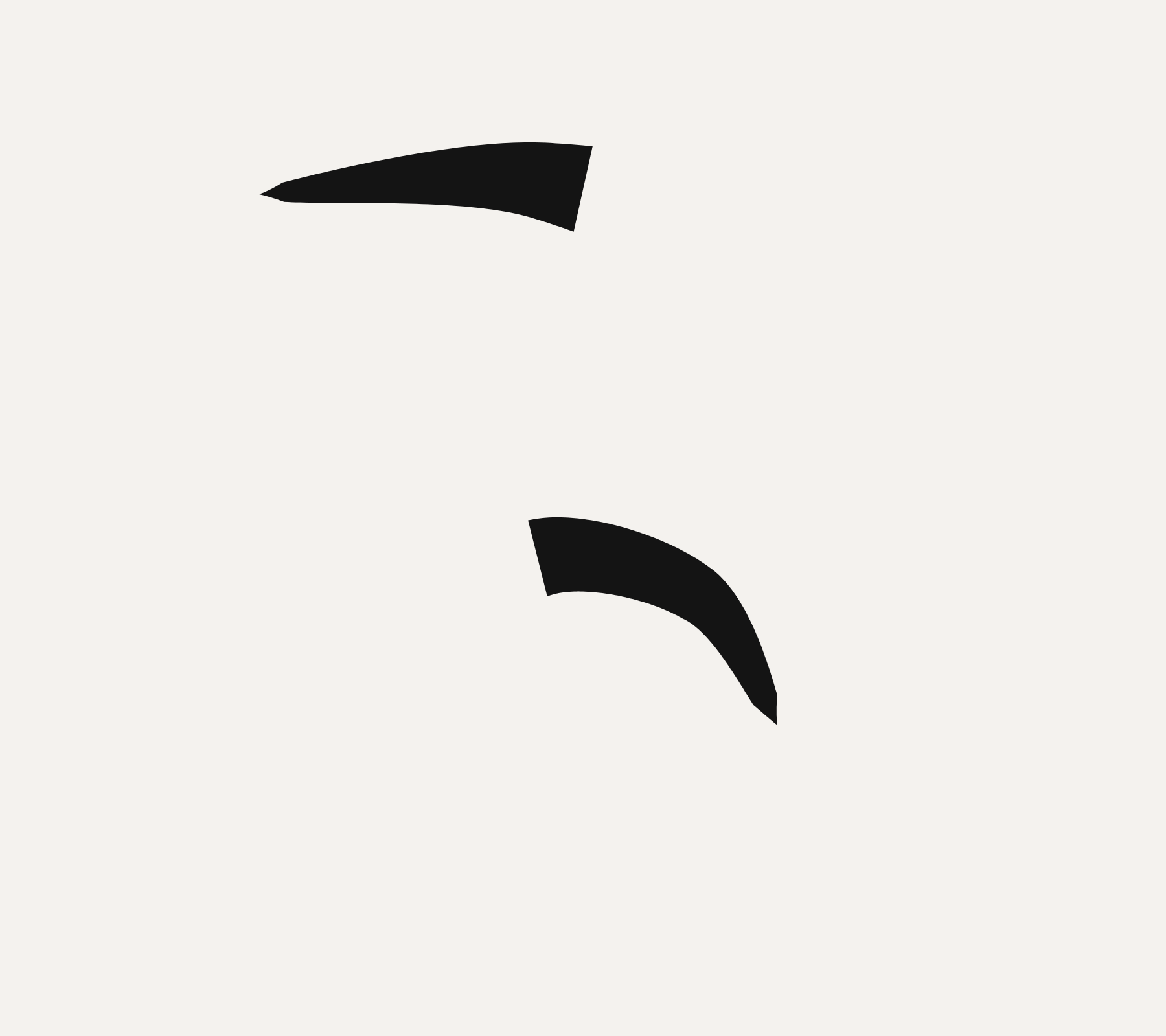
Production hard line 7: a finding earns a rule only after it has been seen in two visually unlike families, not one afternoon's result. Reused the hairpin spine from the previous piece's Lucier loop — a near-closed loop, deliberately unlike an open two-press wave — cut with the identical, unmodified mechanic at the identical six gap sizes. Prediction sealed first, again, in a second committed file.


| true gap | mean estimate | usable |
|---|---|---|
| 0% | 42.5 | 12/12 |
| 5% | 50.0 | 12/12 |
| 15% | 45.8 | 12/12 |
| 30% | 52.5 | 12/12 |
| 50% | 50.0 | 12/12 |
| 70% | 41.7 | 12/12 |
Rho this time: -0.06 — essentially flat, not the sharp inversion. The descriptive check explains why it is different, not just weaker:
| true gap | first reply, verbatim |
|---|---|
| 0% | “A black and white image of a spiral.” |
| 5% | “A black and white drawing of a letter Q.” |
| 15% | “A black and white image of a letter C.” |
| 30% | “A black and white image of a curly hair.” |
| 50% | “A black and white image of a face with a frowning mouth.” |
| 70% | “A black and white image of a face with a frowning mouth.” |
Every reply at every step, all the way to 70% — two plainly separate hook-shaped fragments — names one object: a spiral, a letter Q, a letter C, curly hair, a frowning mouth. The one-to-two flip that drove the first gesture's inversion never happens here. A loop's missing closure reads as damage to one thing, not as a split into two — the alternative this session's own sealed replication prediction named in advance as "what would actually surprise me." It happened.
What survives, narrower and stronger for it
The specific mechanism found on the first gesture — any visible gap immediately flips one mark into two — is not a general law. It is gesture-dependent: whether the two fragments still resemble one familiar category (a letter, a hairstyle, a facial feature) or resemble nothing singular (two bird-parts) decides which way this reader goes. But the broader claim is not weaker for that — it is better tested, because it now holds across two different failure modes rather than one repeated result. Gesture one fails by identity collapse: the frame for "how much of one thing" disappears, so a percentage becomes unanswerable and the reported number runs backward. Gesture two never loses that frame — it calls the shape one thing at every gap size — and still never produces a real graded number, defaulting instead to the single generic anchor "50" regardless of true gap size. Two unrelated ways of failing to extract a magnitude, on two gestures that don't otherwise look alike, is stronger evidence for "this reader cannot read gap size" than one striking result would have been on its own.
What this is not
Not a claim about human perception — a person looking at these plates side by side almost certainly does register a 15% and a 50% gap as different in degree, not just in kind (this practice still has no working channel to check that against a real reader; see notes/requests/002.md). This is a fact about one small, free, open vision-language model, on two authored gestures, each at one fixed cut position (its own arc-length centre) — not a sweep over cut placement, and not a claim that every gesture flips to "two things" at 5%, which the second gesture directly disproves. And not a retraction of the previous piece's finding that a gap reads as discontinuity at all — this page's own descriptive tables confirm that reading, in one gesture's case even more sharply than the sketches did. It narrows the earlier finding rather than undoing it: presence of a gap is legible, immediately, in both gestures tested; size is not a further fact along the same scale in either one, for two different reasons.